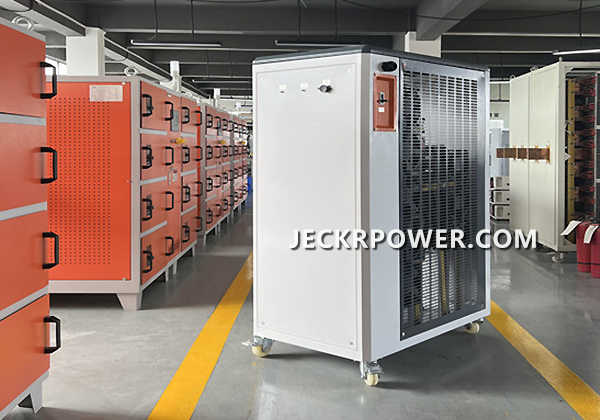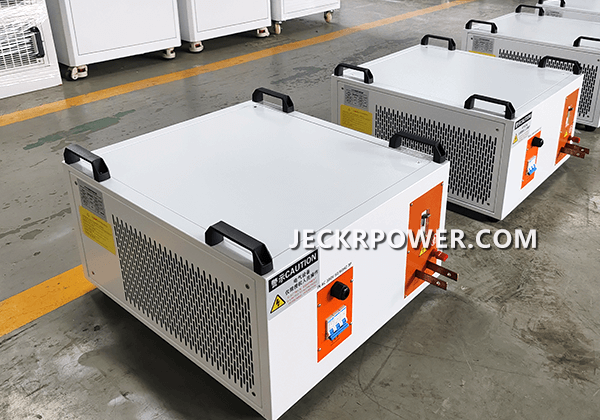
Why Are High Power Rectifiers Essential in Modern Industry
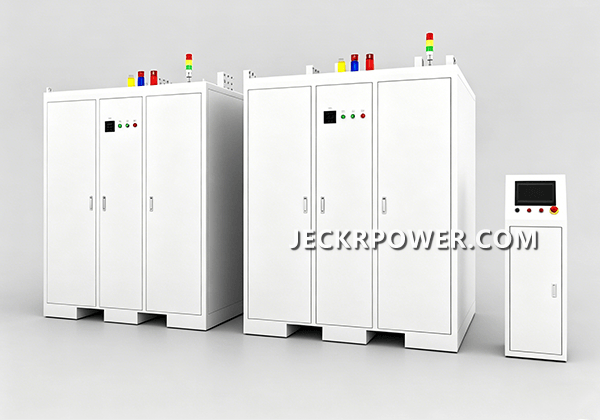
In today’s fast‑paced industrial world, we rarely think about the devices that silently power our heaviest machinery, fastest chargers, and longest power lines. Yet one piece of technology stands at the center of it all: the high power rectifier power supply.
From producing aluminum and copper to charging electric vehicles and stabilizing renewable energy grids, high power rectifiers are not just useful — they are essential. But why exactly? Let’s break down the core reasons.
What Does a High Power Rectifier Do?
At its simplest, a high power rectifier converts alternating current (AC) — the form of electricity delivered by the grid — into direct current (DC) . And while that might sound basic, most heavy industrial processes cannot run on AC. They need stable, controllable DC power.
Using semiconductor devices like diodes, thyristors (SCRs), or IGBTs, rectifiers block or redirect part of the AC waveform to produce a unidirectional flow. For high‑power applications (from hundreds of kilowatts to tens of megawatts), engineers typically use three‑phase bridge rectifier circuits, which maximize efficiency and minimize harmonic distortion.
Key Technical Advantages
Modern high power rectifiers are far more than simple transformer‑diode assemblies. They deliver four critical advantages that make them irreplaceable:
- High Power Factor – Advanced designs (like PWM rectifiers or active front ends) achieve a power factor close to 1.0, reducing reactive power waste and grid pollution.
- Wide Input Voltage Range – They can handle unstable or varying grid conditions (e.g., 380V, 6kV, or 10kV), ensuring stable operation worldwide.
- Exceptional Efficiency – With low‑loss magnetics and advanced semiconductors, today’s rectifiers often exceed 95% efficiency, slashing energy costs.
- Intelligent Control – Built‑in DSPs or ARM processors enable remote monitoring, fault diagnosis, constant‑voltage/constant‑current switching, and even Industry 4.0 integration.
These features directly translate into lower operating costs, higher reliability, and better power quality — essential factors for any modern industrial operation.
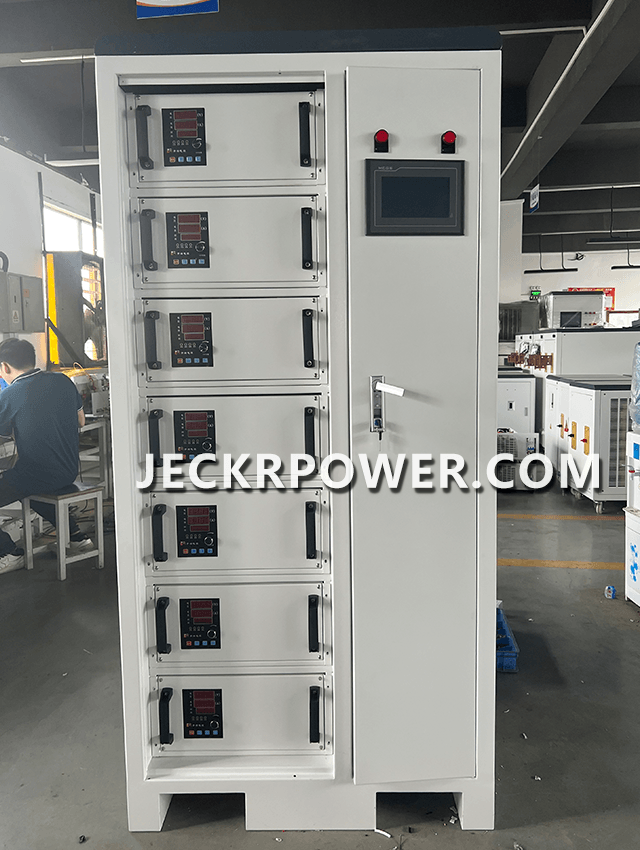
Where Are High-Power Rectifiers Used
The application range is astonishingly broad, spanning heavy industry, energy infrastructure, and transportation.
1. Heavy Metallurgy (Aluminum, Copper, Zinc)
Producing one ton of aluminum requires about 13,000–15,000 kWh of electricity. Electrolytic pots need massive DC currents — often tens of thousands of amperes. A rectifier efficiency improvement of just 1% can save a smelter millions of dollars per year. The same applies to copper refining and zinc smelting.
2. HVDC Power Transmission
For long‑distance, high‑capacity power lines, high‑voltage direct current (HVDC) loses far less energy than AC. At the sending end, a high power rectifier converts AC into DC for transmission. Without this, projects like cross‑country power corridors or submarine interconnects would be impossible.
3. EV Fast Charging Infrastructure
A 150 kW or 350 kW DC fast charger is, at its core, a high power rectifier. It turns grid AC into the high‑voltage DC that EV batteries require, reducing charging time from hours to under 30 minutes. The global shift to electric mobility depends directly on reliable, high‑efficiency rectifiers.
4. Renewable Energy & Energy Storage
Solar panels generate DC, but grids use AC — so we need inverters. However, battery storage systems require rectification to charge from the grid or from wind turbines. Large‑scale BESS (battery energy storage systems) rely on bi‑directional rectifiers/inverters to balance renewable output.
5. Other Essential Sectors
- Electroplating & electropolishing – low‑ripple DC ensures uniform, defect‑free coatings.
- Water electrolysis for hydrogen – green hydrogen production needs high‑current, high‑efficiency DC supplies.
- Rail transit – subway and light rail traction systems often run on DC power from rectifier substations.
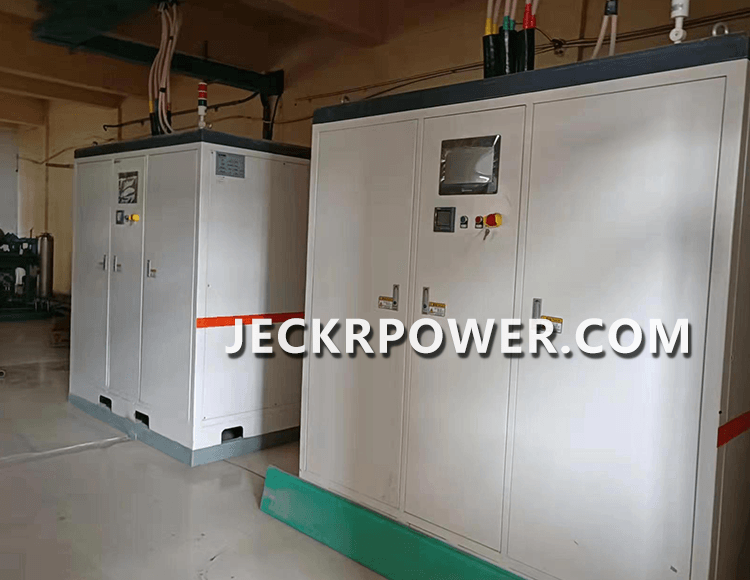
Future Trends: SiC, GaN, and Full Intelligence
As the world pushes for decarbonization and industrial automation, high-power rectifiers are evolving along three paths:
- Higher Frequency, Higher Density – Traditional silicon devices (IGBTs, thyristors) are being replaced by wide‑bandgap semiconductors like silicon carbide (SiC) and gallium nitride (GaN). These allow faster switching, lower losses, and smaller magnetics — cutting rectifier volume by 50% while boosting efficiency to over 98%.
- Smarter, More Connected – Next‑generation rectifiers will feature edge computing, real‑time thermal monitoring, and communication via 5G or industrial Ethernet. Predictive maintenance and dynamic load optimization will become standard.
- Greener, Grid‑Friendly – Advanced active filtering and grid‑forming control will turn large rectifiers from passive loads into active participants in grid stability, supporting weak grids and high renewable penetration.
What are the key factors when choosing a rectifier?
Choosing the right rectifier is essential for the success of your industrial processes. Key considerations include:
- Voltage and Current Requirements: Ensure compatibility with the specific needs of your application.
- Efficiency: High-efficiency rectifiers reduce energy consumption and operational costs.
- Compatibility: Make sure the rectifier works well with your systems. This includes CNC machines and electroplating equipment.
- Power Stability and Control: Precise tasks need advanced regulation. It’s key for micro-arc oxidation and surface treatments.
By considering these factors, you can choose a reliable rectifier. It will ensure efficiency and consistent performance in your operations.
Conclusion
High power rectifiers rarely appear in headlines, but they power the backbone of modern industry. From the aluminum frame of your smartphone to the EV charger that gets you to work, from the copper wires in your walls to the renewable energy stored for night use — rectifiers are everywhere.
So, why are they essential?
Because without reliable, efficient, high power rectification, most heavy industries would grind to a halt, renewable integration would falter, and electric mobility would stall. They are the driving heart of modern industry and energy.