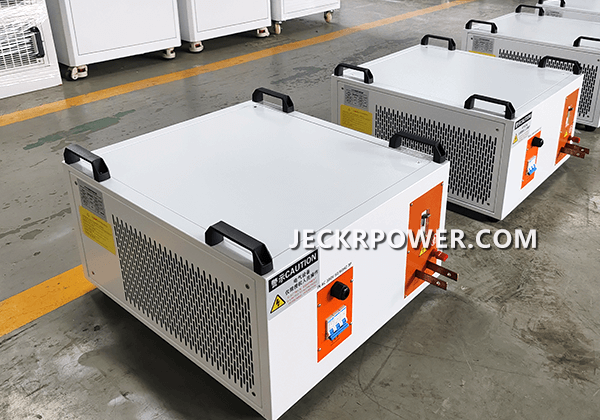
How Does an Electrophoretic Rectifier Improve Coating Quality and Efficiency
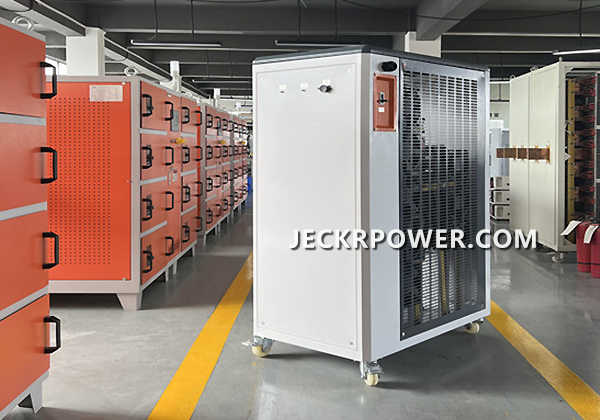
Electrophoretic coating defects and slow production often stem from unstable power supply. These issues increase costs, delay delivery, and frustrate clients. A high-performance electrophoretic rectifier provides the stability needed to solve them.
An electrophoretic rectifier improves coating quality and production efficiency by delivering stable DC power, precise voltage and current control, and low ripple output. This ensures uniform coating deposition, reduces defects, and shortens processing time in electrophoretic coating systems.
But how exactly does a rectifier influence coating performance, and why is it considered the core of the electrophoretic process? Let’s break it down.
What Is an Electrophoretic Rectifier and How Does It Work?
Many buyers underestimate the importance of the rectifier, leading to poor equipment matching or unstable production. This misunderstanding can result in inconsistent coating results and wasted investment. Understanding its working principle is essential for selecting the right solution.
An electrophoretic rectifier is a type of DC power supply that converts AC into controlled DC output, creating a stable electric field that drives charged paint particles to deposit uniformly on the workpiece surface.
In an electrophoretic deposition (EPD) process, the rectifier supplies a controlled DC electric field inside the coating tank. Charged coating particles migrate toward the oppositely charged electrode and form a uniform film on the substrate. The system typically consists of a rectifier circuit, filter circuit, and control system. The filter reduces ripple in the DC output, while the control system ensures precise voltage and current regulation. This stability is critical for consistent coating thickness and industrial repeatability.
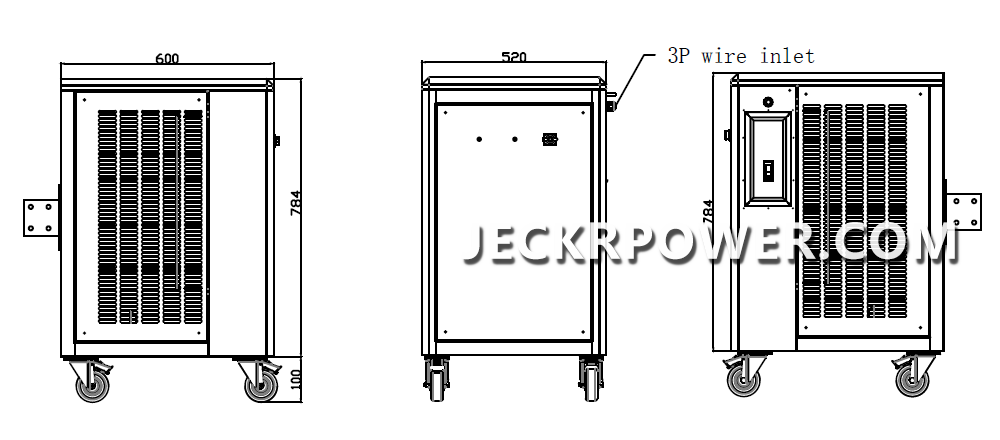
How Does a Rectifier Improve Coating Quality?
Coating defects such as uneven thickness, pinholes, or orange peel surfaces are common challenges in electrophoretic coating processes. These issues not only affect product appearance but also reduce corrosion resistance and customer satisfaction. The root cause is often an unstable rectifier power supply.
A high-quality rectifier improves coating quality by providing stable voltage, low ripple current, and precise parameter control, resulting in uniform, dense, and defect-free coatings.
Stable voltage output ensures that coating particles move evenly in the electric field, leading to consistent thickness across the entire workpiece. Low ripple current minimizes fluctuations that can cause surface defects. Additionally, accurate current control enhances coating adhesion and density, which is crucial in industries such as automotive and aerospace. When the rectifier performs reliably, manufacturers can significantly reduce rejection rates and ensure consistent product quality.
How Does It Increase Production Efficiency?
Slow production cycles and frequent parameter adjustments can severely impact delivery timelines. For project-based buyers, delays often lead to missed deadlines and financial losses. The efficiency of the power supply plays a crucial role in overall productivity.
An advanced electrophoretic rectifier increases efficiency by enabling fast startup, rapid dynamic response, and precise parameter control, reducing processing time and manual adjustments.
High-performance rectifiers can quickly reach the required voltage and maintain stable output, reducing preparation time. Their fast dynamic response allows real-time adjustments based on different workpiece sizes and coating requirements. This flexibility minimizes manual intervention and shortens the electrophoretic deposition cycle. As a result, manufacturers can increase throughput and improve production consistency.
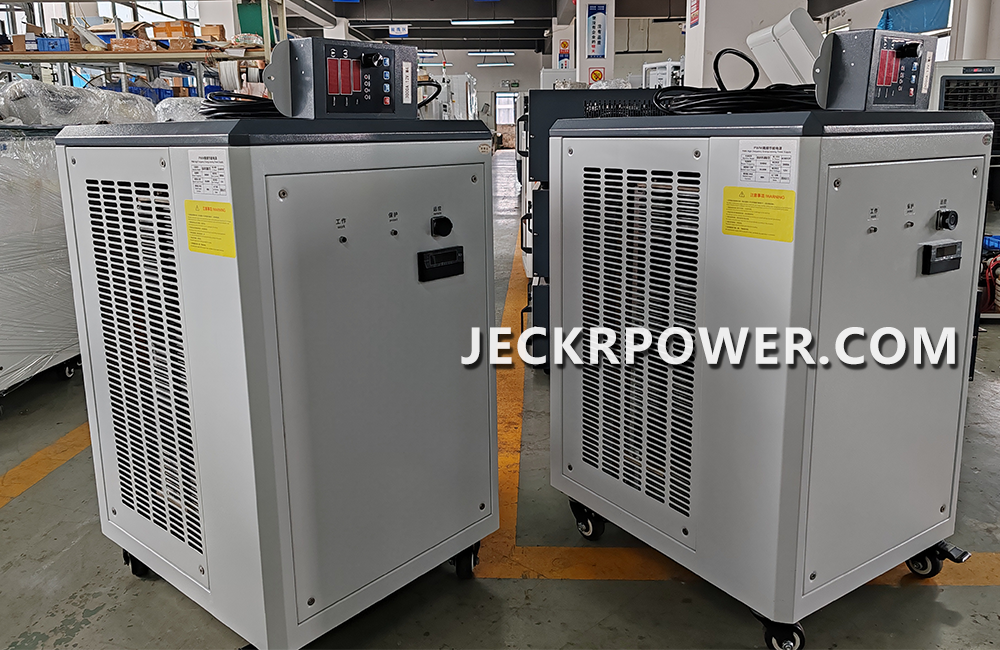
How Can a High-Quality Rectifier Reduce Production Costs?
High energy consumption, coating material waste, and frequent equipment failures can silently erode profit margins. Many manufacturers focus only on initial equipment cost, ignoring long-term operational expenses. In reality, the quality of the rectifier directly impacts overall cost efficiency.
A high-quality rectifier reduces production costs by improving energy conversion efficiency, optimizing coating material usage, and minimizing downtime.
Efficient energy conversion reduces electricity consumption during operation. Precise control of voltage and current improves coating utilization, reducing paint waste. Additionally, stable and reliable rectifiers have lower failure rates, which decreases maintenance costs and avoids unexpected production interruptions. Over time, these advantages significantly reduce the total cost of ownership (TCO).
What Are the Latest Trends in Electrophoretic Rectifiers?
Outdated power supply technology can limit production performance and competitiveness. As manufacturing standards evolve, companies must adopt more advanced solutions to stay ahead.
The latest trends in electrophoretic rectifiers include intelligent control, high-frequency technology, and energy-efficient design.
Modern intelligent rectifiers integrate real-time monitoring, automatic adjustment, and fault diagnosis, enabling smarter process control. High-frequency rectifiers offer compact size, faster response, and higher efficiency compared to traditional systems. Additionally, energy-saving designs reduce power consumption and environmental impact, aligning with global sustainability requirements. These innovations are transforming electrophoretic coating into a more efficient and reliable process.
Conclusion
An electrophoretic rectifier is the core of coating quality, efficiency, and cost control. Choosing a stable, high-performance solution ensures consistent results, higher productivity, and long-term savings in modern industrial manufacturing.